
|
In Memoriam
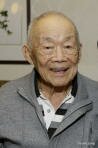
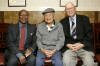
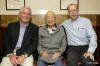
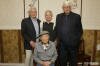
DR. EDDIE WAY CELEBRATES HIS 100-YEAR BIRTHDAY! Thanks to Professional Event Photography by Frank Jang for these pictures. (click on picture image to see full size, hit 'BACK' button to return here) | ");
||||||||||||||||||||||||||||||||||||||||||||||||||||||
|
|
|
||||||
|
|
|
||||||
|
|
|
||||||


Andrzej W. Lipkowski
 (posted December 19, 2014) With profound regret and sadness we write to inform you of the sudden death of Andrzej W. Lipkowski, a visionary scientist, a great man and a caring mentor and friend to many of us.
Andrzej W. Lipkowski, a native of Poland, received his Ph.D. (1976) and D.Sc. (1987) in chemistry from the University of Warsaw. He started his career in Professor Stefania Drabarek’s group in the Chemistry Department working on oxytocin analogues. His first scientific adventure was during his PhD studies, when he spent a year (1973-74) isolating proteins from the Antarctic krill in the Polish Antarctic Station "Arctowski" as a member of 3rd Antarctic Expedition of Polish Biologists. He did his postdoctoral work (1977-78) at Northwestern University (Chicago, USA) with Professor George Flouret working on iodo analogs of LHRH and oxytocin. After returning to Poland, Andrzej started his research on the structure-activity relationships of opioid peptides at the Department of Chemistry of Warsaw University. Following the then-recent discovery of the enkephalins (1975) this field was progressing rapidly at that time. Andrzej, from the beginning of his research in the opioid field, was committed to searching for new molecules, particularly peptides, that could be employed in the clinic as analgesics with fewer adverse effects and liabilities compared with traditional opioid alkaloids. His goal remains timely today. To achieve this, he was the first in Poland who gathered chemists, pharmacologists and anesthesiologists to discuss problems associated with pain, especially neuropathic pain, in order to develop new and better painkillers. In order to better understand the problems associated with opioid pharmacology Andrzej joined for a few months, in 1983, Albert Herz’s group at the Max Planck Institute for Psychiatry (Munich, Germany). After returning from Germany Andrzej designed and synthesized a simple molecule (a dimeric enkephalin analogue connected by a hydrazide bridge), which is 1000 times more potent than morphine when administrated intrathecally. He named his molecule “biphalin”. Numerous subsequent studies in many laboratories over the world confirmed that biphalin is an extremely potent analgesic compound with substantially lower addictive potential than traditional opioids. Unfortunately, the lack of patent protection of this compound removed any commercial incentive for the pharmaceutical industry to develop biphalin. The reason for the lack of patent protection was political, not scientific or clinical. At the time that Andrzej developed biphalin in Poland, it was not possible to patent a novel molecular entity (Poland was behind the iron curtain then, with different patent laws than the democratic West).
In the 1980s like millions of Poles, Andrzej was involved in the Solidarity movement. He remained active in Solidarity even when the authoritarian government of general Jaruzelski in Poland, in an attempt to crush political opposition in Poland, introduced martial law on December 13th 1981, starting a difficult chapter for Poles and Polish science.
Andrzej later obtained a research fellowship position (1986-88) at the University of Minnesota with Professor Philip Portoghese (Minneapolis, USA), where he designed a kappa agonist based on Robert Schwyzer’s concept of message-address components in biologically active compounds. While working in Portoghese’s lab, Andrzej synthesized the famous norbinaltorphimine (norNBI), a ?-selective antagonist used in most laboratories involved in opioid research to the present day.
In 1988 Andrzej joined the laboratory of Professor Victor J. Hruby at University of Arizona (Tucson, USA), starting a long-term collaboration that also encompassed Frank Porreca’s and Frank Yamamura’s laboratories there. From the outset, Andrzej suggested that it would be more rational to design multivalent drugs instead of devising receptor-selective compounds, which was the dogma at that time. Now this concept has been widely adopted, and many laboratories are now involved in the search for multivalent drugs. Andrzej stayed at the University of Arizona for longer or shorter periods of time over the years 1988-2005. This fruitful collaboration resulted in many publications and new ideas in opioid research. The joint research results have strongly indicated a great potential for the use of peptide analogues or peptidomimetics for therapeutic application, an idea that still remains to be embraced vigorously by big pharma.
Through the connection of Stanislaw Szyfelbein, then Chief of Anesthesia at the Harvard-affiliated Shriners Burns Institute in Boston, Andrzej developed a fruitful collaboration with several Boston laboratories. Starting in 1989, he extended the Shriners’ preclinical pharmacological studies (initiated by the late Patricia Osgood, Ph.D.) to investigate the role of biphalin and numerous other peptide analogs in a variety of preclinical pain models. In this laboratory, and later the Anesthesiology Laboratory at Tufts-New England Medical Center, he helped nurture the careers of young scientists and clinicians being trained in laboratory research at Harvard University and the Massachusetts General Hospital. These clinician-scientists became investigators in their own right, some returning to their home countries throughout the world. Characteristically for Andrzej, while in Boston he maintained his established collaborations outside Boston and developed new ones with other Boston laboratories (e.g., Dan Carr and Richard Kream at Tufts’ Anesthesiology Laboratory Donald Wise at Northeastern University). These fruitful efforts are reflected in multiple PhD students’ theses and dozens of patents for novel molecules and delivery systems such as engineered release from polymers. The Tufts interaction, that included co-sponsorship of several Poland-US scientific conferences, continued well into the 2000s.
In 1991 Andrzej was appointed as Assistant Professor in the Medical Research Centre of Polish Academy of Poland in Warsaw (Poland) and Head of the Department of Neuropeptides. Within a few years, Andrzej created an interdisciplinary group gathering biologists, chemists and medical doctors doing complementary work on structure-activity relationships of peptides with the objective of developing a new generation of analgesics. The roles of neuropeptides in pain transmission and modulation, and translation of this knowledge into new methods of pain control were the major themes of his scientific activities. For his achievements Andrzej was appointed as a full Professor of Medical Science in 2001. As one of the leaders in the Medical Research Centre of the Polish Academy of Sciences, he was highly successful in gathering scientists from different areas to collaborate on bigger projects, for example in the European Grant “Normolife - Development of New Therapeutic Substances and Strategies for Treatment of Pain in Patients with Advanced Stages of Cancer”. This comprehensive program was coordinated by Andrzej, with nine partners from seven countries including i.a. Dirk Tourwe (Vrije Universiteit Brussels, Belgium), Geza Toth (Biological Research Center, Szeged, Hungary), Iro Georgoussi (National Centre for Scientific Research "Demokritos" Athens, Greece), Giuseppe Ronsisvalle (University of Catania, Catania, Italy) and others.
In the years 1993-2010 Andrzej served also as the Head of the Biotechnology Department at the Industrial Chemistry Research Institute in Warsaw (Poland). The interdisciplinary group that he created there worked on bioactive peptides derived from natural proteins, preparation of porcine spinal cord enzymatic hydrolyzates for therapeutic applications, on the development of antimicrobial peptides, and of biofuel production technologies.
In 2010 Andrzej was elected as a Director of the Mossakowski Medical Research Centre of the Polish Academy of Science in Warsaw. During the last four years the Medical Research Centre blossomed under his leadership, was continuously funded by grants from multiple sources, and became one of the foremost scientific institutions in Poland. Andrzej had also initiated steps to organize the legal framework for commercialization of research results and development activities. He always dreamed of making a “real drug” available for patients.
Andrzej was always open to cooperation, generously sharing his scientific ideas, enjoying discussing study results and planning new experiments. Among many long-term collaborators was Professor Masaaki Yoshikawa from Kyoto University (Kyoto, Japan). They collaborated on bioactive peptides derived from natural proteins and together published many papers on opioid, anti-opioid, and vasoactive peptides which they discovered. The project was selected as a topic of Polish-Japanese Joint Research under the title “Drugs from Natural Products” from 1999 to 2008. Andrzej stayed twice at Kyoto University as a visiting professor (2000–2001 and 2007). His collaboration with Professor Yoshikawa was ongoing.
Andrzej also has collaborated for years with Giuseppe Ronsisvalle, his former colleague from the Portoghese laboratory, who later became a professor of pharmaceutical and toxicological chemistry at the University of Catania (Catania, Italy). In 1999, with Giuseppe and Geza Toth from Szeged (Hungary) Andrzej proposed to the Pharmaceutical Societies of Italy, Hungary and Poland the organization of a joint meeting on medicinal chemistry in order to strengthen relations between scientists from eastern and western European countries. The first meeting took place in 1999 in Taormina (Italy). The success of this event was so evident that the Joint Meeting now links the scientists of eight countries and is a great opportunity for launching collaboration especially for young researchers. In 2003 Andrzej was awarded the Marie Curie Visiting Professorship, which he spent with Giuseppe in Catania working on the synthesis of new opioid compounds.
Professor Lipkowski was a co-author of over 250 publications (articles, proceedings and book chapters) and over 50 patents concerning new drug candidates for the treatment of pain, multiple sclerosis, and Alzheimer’s disease.
Andrzej had extensive knowledge of chemistry, pharmacology and medicine. Additionally he had great ability to integrate information from various fields, allowing him to synthesize experimental findings that others would find difficult to consolidate.
Andrzej was an extremely kind and modest person with an outstanding mind. He had a rare ability to visualize molecules from different points of view and was always full of ideas, many of which are still unfolding. His loss is a tragedy for all of us who knew him and benefited from his unique way of thinking. He will be sorely missed by all of his friends and coworkers, in addition to his family.
submitted by:
Aleksandra Misicka, PhD, DSc,
Department of Chemistry, University of Warsaw and
Department of Neuropeptides, Mossakowski Medical Research Centre Polish Academy of Science, Warsaw,
Poland
Daniel Carr MD
Departments of Anesthesiology, Medicine, and Molecular Physiology and Pharmacology
Tufts University School of Medicine
Boston USA
Dr. Avram Goldstein - AN APPRECIATION
Avram Goldstein, one of the founders of INRC and an icon in the world of pharmacology, died on 1 June 2012. He played a major role in strengthening the scientific basis of the discipline of pharmacology in the middle years of the last century. He was very influential in improving the rigor of research approaches to understanding drug addiction at both the pre-clinical and clinical levels, and in persuading politicians and administrators that treatments and policies in the area of drug abuse should be based on rational scientific principles and experimental evidence whenever this was available.
Avram was born in New York City in 1919, the son of a prominent New York rabbi and a mother who he described as a ‘feminist, socialist and free-thinker” (1,2). His mother ensured that he was sent not to a strict religious school but to Walden, a progressive private school. This unusual background exposed him to the rigors of traditional Jewish intellectual life, but tempered by the drive to challenge all authority that could not survive the test of experimental confirmation or demonstration. He was something of a child prodigy, admitted to Harvard at age 15, but deferring entry for another year while he traveled in Europe and worked at a kibbutz in what was then known as Palestine. After majoring in chemistry, he entered Harvard Medical School where he became interested in pharmacology, graduating in 1943 at the height of the Second World War. After a brief internship at Mt. Sinai Hospital, he entered the US Army and was assigned to Camp Carson, Colorado; his major role was to treat frostbite and trench foot. After the war he returned to Harvard, first as a Post-Doc then as Assistant Professor of Pharmacology, and in 1947 married Dora Benedict, known affectionately to all as Dody, who was then a medical student at Harvard. Dody went on to have her own independent research program, becoming well-known for her contributions to alcohol research, and a professor of pharmacology at Stanford once the anti-neoptism rules that had blocked the advancement of many women scientists were rescinded. The marriage lasted for more than 60 years, until Dody’s death in October 2011.
In 1955, while still an Assistant Professor at Harvard, he was invited to take the chair of pharmacology at Stanford University, which was at that time moving its medical school from San Francisco to the main university campus in Palo Alto. At Stanford, Avram was instrumental in dramatically increasing the size of the medical school faculty and recruiting many very talented younger scientists to Stanford, including Arthur Kornberg as chair of biochemistry. Avram went on to play a major role in developing the educational and research programs at Stanford (1,2). He also at this time founded the journal, Molecular Pharmacology, for ASPET, and he cajoled his Stanford faculty colleagues Lewis Aronow and Sumner Kalman to write a new text, Principles of Drug Action, that emphasized the scientific foundations of pharmacology, in contrast to most other pharmacology textbooks of the time that were essentially annotated lists of drugs in the style of materia medica.
Avram’s initial research studies in pharmacology were on enzyme kinetics, where he analyzed the mechanisms of actions of inhibitors of cholinesterases, and explored enzyme kinetics (3) and the binding of drugs to proteins, but he soon became fascinated with new developments in biochemistry and for a while his lab was focused on enzyme mechanisms and the role of RNA in bacteria. At the same time, however, he was conducting studies of the effects of caffeine in human subjects, using Stanford students and their spouses as subjects in a project that was initially a class exercise on how to conduct clinical research but eventually became a series of published research studies demonstrating the extent to which adaptations in the effects of the drug occurred in some individuals after chronic use (4). He also at this time developed a method for quantifying the kinetics of opioid tolerance development in a mouse model5, that opened the way for quantitative correlations between behavioral and biochemical actions.
He states in his autobiographical memoir (1) that his interest in drug addiction was provoked by a lecture delivered at Stanford in 1970 by Vincent Dole, a biochemist and professor at Rockefeller University, on the use of methadone in a novel treatment of heroin addiction, but the chronology of his publications indicates that he was already shifting his focus in this direction. Nevertheless, the novel concept of a safe legal maintenance therapy for heroin addiction that was presented by Dole fascinated Avram and he saw here an opportunity to combine fundamental research on very poorly understood facets of opiate drug pharmacology - the extreme tolerance that could developed to opiate drugs and the closely related development of physical dependence - with his desire to utilize his medical training to impact a significant social phenomenon, the escalation in the use of drugs of abuse in Western societies. He now directed the work of his lab, and of his long-time assistant Louise Lowney in particular, to identification of the receptor target for morphine, noting that the stereo-specificity of opiate drug action pointed to a way of identifying the critical fraction of opiate drug present that was actually bound to functional receptor, although this was small relative to the much larger amount of drug bound by “non-specific” tissue proteins6. To address the clinical problem of heroin addiction, he started a research-based methadone treatment program serving the hitherto neglected Latino community in nearby San Jose, gaining the trust of the leaders of this community. With Barbara Judson, Priscilla Grevert, Bob Dent and others, he began to conduct experimental studies on opiate actions in human subjects.
It was at about this time that Avram joined with Hans Kosterlitz, Eric Simon, Harry Collier and Sydney Archer in founding the International Narcotics Research Club (later Conference). As described by Syd Archer in his history of INRC, on the INRC web site(7), the initial meeting of this distinguished group was held at the Hotel Euler in Basel during the 1969 International Union of Pharmacology (IUPHAR) Meeting, and at this meeting they planned for a full symposium on opiates to be presented in 1971 in Aberdeen, Scotland during a meeting of the British Pharmacological Society. Avram then hosted the next INRC meeting in San Francisco, again during an IUPHAR meeting (1972), and he became the Secretary (the position was later named President) for the next few meetings of INRC. At this time, the Secretary was by far the most important person in the Club; he arranged the venue, secured funding and developed the program. While the other Founders played very important roles in building INRC as the critical place to present novel research on the actions of opiate drugs, it was the administrative skill and organizational drive of Avram that kept the Club going during its early years.
Avram’s research group expanded substantially at this time. He brought a number of foreign scientists to his lab, including Harry Collier (for a brief sabbatical), Rudiger and Karin Schulz, Hans-Jörg Teschemacher, Brian Cox, Shinro Tachibana, Walter Fischli, and Ji-Sheng Han, recruited gifted graduate students at Stanford, including Ray Dingledine, Charles Chavkin, Maureen Ross and Carl Romano, and post-doctoral fellows from a number of disciplines, including Kent Opheim, Lakshmi Devi, Francis Leslie, Vartan Ghazarossian, Tsung-Ping Su, Susan Gentleman, Gene Baizman, Ian James, Barbara Herman, Charles Weitz and Guo-Xi Xie. This expansion was funded by the newly created National Institute on Drug Abuse, and required more space than he was able to obtain in the Stanford Medical School building1. The solution was a typical Goldstein solution; he would create a new non-profit organization to support his research, the Addiction Research Foundation, and locate this in beautiful purpose-built laboratories on the Stanford business park in Palo Alto, where the walls of the new laboratory were painted in all colors of the spectrum and the room numbers were dictated by the wavelength of wall color. He brought one component of his clinical heroin addiction treatment program to the Palo Alto campus and began an evaluation of a methadone analog, LAAM. LAAM initially appeared to offer a number of advantages over methadone, until it was later withdrawn because of unanticipated hepatic toxicity. To maintain the scientific vigor of the Foundation, Avram also recruited a world- class scientific advisory board, including Jerry Jaffe (the first White House Drug Tsar), Floyd Bloom, Arnie Mandell, Harold Kalant and others. Those working there then still remember the interesting and entertaining scientific discussions when this group visited the lab.
Avram’s contributions to opiate drug research are many. His strategy for identification of opiate receptors6 provided the approach that was later exploited by the Snyder, Terenius and Simon groups to demonstrate the presence of opioid receptor in brain. Avram had used a 14C-labeled opiate reasoning that the apparent affinity of the major opiate drugs for the opiate receptor was about 1 µM. We now know that in the absence of sodium the affinity of many opiates is close to 1 nM. The Snyder, Terenius and Simon groups used very high-specific activity tritium-labeled opiate drugs, enabling them to identify opioid receptors despite their low tissue concentration, and to demonstrate that this binding was stereo-specific. Avram was one of the first to recognize that an endogenous ligand for opiate drug receptors was likely to be a small peptide, and his laboratory first demonstrated the presence of opioid activity in extracts of the pituitary gland, describing different pituitary extracts that displaying the opiate-like properties of what are now known as b-endorphin (8) and dynorphin (9). This was when he posted copies of the sheet music for Handel’s “He shall Purify” from the Messiah on the lab walls to exhort the group to greater productivity (2). He quickly recognized that b-endorphin had already been isolated by Cho Hao Li in San Francisco in his work on ACTH and related peptides, but that its opioid activity had not previously been appreciated (10). Purification of dynorphin took a long time because of its very high receptor affinity and its extraordinary stickiness at surfaces of all kinds, but it was eventually achieved (11).
The lab had some interesting discussions on the differing properties of the receptors mediating the actions of dynorphin and morphine. In 1975, Hans Kosterlitz and colleagues had published studies suggesting that the receptors mediating enkephalin effects in guinea pig and mouse vas deferens were different. Avram was initially opposed to the proposal that there was more than one type opioid receptor, largely on the grounds that the concept offended Occam’s razor. However, repeated exposure during lab meetings (held during the summer around the swimming pool of the Goldstein home on the Stanford campus) to data from studies on receptors in different peripheral tissues eventually persuaded him that one receptor could not explain the data and he became an enthusiastic advocate for multiple opioid receptor types. With Charles Chavkin, he demonstrated convincingly that dynorphin was an endogenous ligand with high selectivity for the kappa opioid receptor (12).
In the clinical arena, the careful quantitative evaluation of the effectiveness of methadone and LAAM treatment programs provided some of the best evidence that these programs were a very cost-effective way to address the growing problem of heroin addiction. He also contributed significantly to the development of science policy. He advised Jerry Jaffe, then working in Nixon’s White House, on how to bring the troops home at the conclusion of the Vietnam War without introducing a major heroin abuse epidemic to the USA. The solution was a reliable device for detecting the presence of opiate drugs in the urine of all troops before they were repatriated; those whose urine sample did not pass the test were not permitted to return until they could provide a clean urine sample1. He was a very strong advocate for the establishment of methadone maintenance programs at public expense in all communities where heroin addiction was rampant. He served on NIDA Council and was consulted often by NIDA Directors. With Harald Kalant he began to think about national policies that would reduce illicit drug use (13), and this eventually developed into a book seeking to explain drug addictions to a national audience (14). His reputation in this area resulted in his being invited to offer a primer on drug addiction biology and treatment approaches to General Barry McCaffrey, Bill Clinton’s Director of National Drug Control Policy.
Avram could be intimidating to some and loved to debate weighty topical issues with those up to the challenge. He acquired something of a reputation of being difficult to work with, and he did not hesitate to use his height and impressive intellect to achieve his goals. He frequently expressed his disdain for committees (1). However, for those who had the pleasure of working closely with him (after surviving his initial probing for intellectual weakness), Avram could be the most instructive, friendly and supportive of mentors. He used his very considerable ability to charm to great effect, whether it was to persuade a post-doc to try once more to solve an intractable problem (always with a novel approach offered by Avram), or in his approaches to potential private donors for the Addiction Research Foundation, or in his interviews with reporters, or in his persuasion of politicians that it was in their best interests to treat drug addiction as a disease rather than a punishable offence, because the former approach might be effective but the latter had been a proven failure.
Avram had many interests inside and out of science. He came to be good friends with Ji-Sheng Han at a time when relations with China were more difficult than today. A prominent plaque resides on the wall outside the Neuroscience Research Institute of Peking University memorializing Avram’s donation, upon his retirement from laboratory research, of a substantial amount of lab equipment and furnishings to the new Institute. To help teach pharmacology to medical students he wrote a book on biostatistics in 1964. Although titled “an introductory text”, it was anything but. The beautiful arguments and logic that characterize this book can best be appreciated after years of routine use of statistics in the lab, and they contrast starkly with the more contemporaneous “how-to” menu-driven books on the subject. Avram dug deeply into the subjects that interested him. Flying his own plane gave him great satisfaction and he used this frequently to travel to meetings on the west coast for many years. Not content with simply learning to fly, he became a certified flight instructor and then an instrument flight instructor, publishing three lengthy teaching manuals in the process.
INRC owes Avram a debt of gratitude for his insistence on the highest scientific standards at the initial meetings of the Club, establishing a tradition that has continued as the club became a Conference. Under his leadership it became in the late 1970s the critical place to present new data relating to the actions of opiate drugs and opioid peptides, and the tradition of frank discussion has continued under the succeeding leadership. The success of the Conference today can be attributed to the strength of Avram’s leadership in the initial years. We remember him with gratitude and affection.
Brian Cox, Charles Chavkin, Lakshmi Devi & Ray Dingledine
REFERENCES
1. The biographical details here are taken from Avram’s wonderful autobiographic reminiscences: Goldstein A, A rewarding research pathway, Annu. Rev. Pharmacol. Toxicol. 37: 1-28, 1997.
2. More biographical details can be found on the Stanford University web site autobiography: http://med.stanford.edu/ism/2012/june/obit-goldstein.html
3. Goldstein A. The mechanism of enzyme-inhibitor-substrate reactions illustrated by the cholinesterase-physostigmine-acetylcholine system. J. Gen Physiol 27: 529-580, 1944.
4. Goldstein A, Warren R, Kaizer S. Psychotropic effects of caffeine in man. I. Individual differences in sensitivity to caffeine-induced wakefulness. J. Pharmacol. Exp. Ther. 149: 156-159, 1965.
5. Goldstein A. and Sheehan P. Tolerance to opioid narcotics. I. Tolerance to the “running fit” caused by levorphanol in mice. J. Pharmacol. Exp. Ther. 169: 175, 1969.
6. Goldstein A, Lowney LI, and Pal BK. Stereospecific and non-specific interactions of the morphine congener levorphanol in subcellular fractions of mouse brain Proc Natl Acad Sci USA 68: 1742-47, 1971.
7. Archer S. The early history of the INRC (1969-1975). https://inrcworld.org/history.htm
8. Teschemacher, H.-J., Opheim, K., Cox, B.M. and Goldstein, A. A peptide-like sub-tance from pituitary that acts like morphine. 1. Isolation. Life Sci. 16:1771-1776, 1975.
9. Cox, B.M., Opheim, K., Teschemacher, H.-J. and Goldstein, A. A peptide-like substance from pituitary that acts like morphine. 2. Purification and properties. Life Sci. 16:1777-1782, 1975.
10. Cox, B.M., Goldstein, A., & Li, C.H. Opioid activity of a peptide, ?-lipotropin-(61-91), derived from ?-lipotropin. Proc. Natl. Acad. Sci USA 73: 1821-1823, 1976.
11. Goldstein, A, Fischli W, Lowney LI, Hunkapiller M, Hood L. Porcine pituitary dynorphin: complete amino acid sequence of the biologically active heptadecapeptide. Proc. Natl. Acad. Sci. USA 78:7219–23, 1981.
12. Chavkin C, James IF, Goldstein A. Dynorphin is a specific endogenous ligand of the k opioid receptor. Science 215:413–15, 1982.
13. Goldstein A, Kalant H. Drug policy: striking the right balance. Science 249:1513–21, 1990.
14. Goldstein A. ADDICTION: From Biology to Drug Policy. New York: Freeman. 321 pp., 1994.
Last night in Las Vegas, the Toasters dedicated their set at the International Ska Circus to the memory of Steve Hex aka Karl Steven Laforge. Although it was not possible to get the band back to NYC mid-tour we did have the opportunity to bring KSL out here with us. Steve was a massive influence. Not only as a co-founder of the group but also as a key- thinker, industrious, positive and astute. The early sound of the band was largely built around his keyboard stylings before we upsized to the horn-driven sound that characterizes the band today. Along with our gang of fellow miscreants, Vicky Rose and Gary Eye, and then shortly thereafter Messrs Grinnell, Dugan, Reginato and the Unity 2, we managed to create a Frankenstein's monster that rampaged out from the crucible of the lower east side to take over the world. And in fact is still doing it. Steve's contributions to the band are innumerable. In the dark hours of tours most foul his caustic sense of humour and pragmatism were often what kept us going. Steve's chapter in the Toaster's history will be a long and colourful one. But most of all what made KSL stand apart was the man himself. There are few people that I personally rate as being my friends. Steve was one of those. Whenever we saw each other –Steve had the ability to just show up when you least expected him – it was if time had stood still and we simply took up where we left off. That's a rare gift, but Steve was a master at it. Acerbic wit, a black sense of humour drier than the Sahara, and a lot of heart. The world needs more Laforges, not less of them. So here's to you KSL. Wherever you are I'm sure somebody is getting a zinger right about now.
(from band members of the Toasters, a Ska musical group Stephen co-founded)
It is with great sadness that we report to all INRC members the recent death of Ms Edna Leong. Edna, the sister-in-law of Dr. E. Leong (Eddie) Way, was well known to all INRC regulars. During Eddie Way’s 10 years as Treasurer of INRC, Edna attended every meeting. She was the one who spent much of the week gathering receipts from all of the recipients of NIDA travel awards and made sure that checks were mailed to them in a timely fashion. She always had a smile for everyone. It was obvious that she enjoyed her work for INRC immensely, including the opportunity to make friends from all over the world and to have even a small role in the development of young scientists. Edna kept the INRC books for the entire period during which Eddie was treasurer and did a fine job. Edna was the wife of the late John Way Leong, the loving mother of 5 children, grandmother of 8 grandchildren and great-grandmother of two. She will be missed very much by her family and by all who knew her.
Mary Jeanne Kreek, President/Secretary Eric J. Simon Vice President/Treasurer
Please reply to:
The INRC is diminished by the loss of Dr. Tom Burks who died March 2nd from a heart attack. Tom was a friend and mentor for many of us. His interests in opioid pharmacology, neuropeptide actions, and gastrointestinal function made him a frequent contributor to the INRC.
Tom contributed to the vitality of this organization in many ways and served as program chairman for the Copper Mountain INRC-1991 meeting that was held jointly with FASEB. Most recently, Tom was executive vice president for research and academic affairs at The University of Texas Health Science Center at Houston and a professor of pharmacology at the university's Medical School.
Additional information can be obtained at the following University of Texas web site.
www.uthouston.edu/forMedia/newsreleases/nr2001/burks.htm
A Tribute to Dr. Akira E. Takemori
(1929-1998)
Members of the INRC were shocked by the untimely death of Akira Takemori on March 12, 1998 while battling with cancer. His passing was particularly tragic because he had only recently retired from his position as Professor in the Department of Pharmacology at the University of Minnesota and had been planning numerous activities for his retirement years. Through his pioneering work with opioid receptor antagonists, he had made lasting contributions to our understanding of the mechanisms of opioid action.
Dr. Takemori was born in Stockton, CA and received his B.A. degree in Physiology from the University of California -Berkley. He then earned the M.S. degree in Comparative Pharmacology and Toxicology from the Universtiy of California Medical Center in San Francisco. Later, he moved to Wisconsin and earned his Ph.D. degree in Pharmacology at the University of Wisconsin, Madison in 1958, working with Dr. Gilbert Mannering. Dr. Takemori stayed in Madison for his postdoctoral studies at the Institute for Enzyme Research in the laboratory of Dr. Henry Lardy.
Dr. Takemori's first academic appointment was at the State University of New York, Upatate Medical Center in Syracuse, New York, where he was an Instructor, then an Assistant Professor in the Department of Pharmacology. In 1963, he joined the Department of Pharmacology at the University of Minnesota where he was promoted to Professor in 1969. He remained in this Department until his retirement in 1994. During this time, he was also a Visiting Professor in the Departments of Pharmacology at Keio University School of Medicine in Tokyo, Japan (March-September 1971) and at the University of California Medical Center in San Francisco (June 1973).
During his tenure at the University of Minnesota Dr. Takemori trained eighteen Ph.D. graduate students and twenty post-doctoral fellows as well as providing a research environment for six visiting scientists. Those who trained in his laboratory have continued their successful scientific careers in academic as well as industrial positions in the United States and around the world. Dr. Takemori also served as the Department of Pharmacology Director of Graduate Studies from 1987 until his retirement, when two faculty members were then required to fill this position. His committment to education of young scientists was also shown by his service on numerous graduate education committees at the University as well as by serving as Program Director for the Medical School Minority High School Student Research Apprentice Program. He also received teaching awards including Teacher of the Year Award from the University of Minnesota Dental School.
On the national/international scene, Dr. Takemori was active in a number of professional societies, including the INRC and the American Society for Pharmacology and Experimental Therapeutics (ASPET) He served on the Executive Committee of INRC from 1973-1974 and from 1979-1982. He was also the INRC Program Chairman for the 1982 INCR meeting. His major contributions to ASPET included serving as President (1992), Councillor (1978-1981) and IUPHAR Delegate (1991-1995). He also served on numerous ASPET committees including the Program Committee and the Committee for Graduate Recruitment in Pharmacology among others. He was on editorial boards for several journals including the Journal for Pharmacology and Experimental Therapeutics and the Annual Review of Pharmacology and Toxicology. In addition, he was a member of Study Sections for the National Insititues of Health (Pharmacology Section), the National Insititues on Drug Abuse and the National Science Foundation. He also was a scientific consultant for other academic and industrial organizations in the United States and other countries.
Of particular importance to the INRC are Dr. Takemori's numerous contributions to our understanding of opioid actions. His first publication on opioids was a Journal of Pharmacology and Experimental Therapeutics paper on metabolic demethylation of morphine and morphinan-type analgesics in 1958. Some of his more 200 publications (manuscripts, reviews and book chapters) on opioids resulted from his work with Dr. Philip Portoghese, a collaboration that produced the irreversible µ-selective opioid receptor antagonist beta-funaltrexamine (b-FNA). Use of b-FNA as well as other opioid receptor subtype-selective antagonists characterized by Dr. Takemori, has greatly advanced the study of opioids and these drugs are widely used today in opioid research. For his many scientific contributions, he received the Nathan B. Eddy Award in 1991 from the College on Problems of Drug Dependence (CPDD).
Even though he was a very productive scientist, Arky (a nickname used by his friends) found time to participate in and excel in multiple sports, including golf, handball, skiing, judo and tennis. For many years, he and his lifelong colleague and friend Dr. James Fujimoto competed annually for a golf trophy. He would regularly challenge his graduate students to a game of handball - and win. He also found time to coach baseball and manage his son's ice hockey league.
After he retired from the University, Dr. Takemori moved to California and began a new life, finally having enough time to devote to his many non-academic interests. Even then, he could be available to provide advice and support when necessary. His loss leaves a large void in the community of scientific thought. But most of all, we will miss Arky for his spirit. He was often the life of the party, able to entertain his friends with many humerous stories. Even though he was a well-known, busy scientist, he always had time to speak with and encourage his students and junior colleagues. He served as an excellent role model and mentor. We trusted his counsel. He will live on in our collective memories, fondly and respectfully.
Sandra Roerig, Ph.D.
Department of Pharmacology
Lousiana State University
Shreveport, LA.
A Tribute to Dr. Sydney Archer
Dr. Sydney Archer, one of the founders of INRC, an outstanding scientist and wonderful friend to many of us, passed away on August 22, 1996. Syd was one of a handful of scientists who met in Basel at the International Congress of Pharmacology in 1969 and conceived the formation of what has become the INRC. He served as its second Secretary, immediately following Avram Goldstein. He continued to be active and just a few weeks ago at our meeting on the Queen Mary, Syd offered to host the 1999 INRC in Saratoga, NY, --what better way to illustrate his positive outlook on life! In fact, he had already begun work on it by appointing a program committee and meeting with people from the Saratoga Convention Center. At this years INRC meeting, a few of Eddy Way's friends organized a surprise dinner for him at a Chinese restaurant in honor of his 80th birthday. At the dinner Syd Archer served as M.C. He was in great form, charming and funny.
As a scientist, Sydney was one of the outstanding medicinal chemists of our time. He attacked 3 of mankinds major scourges, drug abuse, cancer and schistosomiasis with equal vigor, creativity and enthusiasm. In the area of drug abuse he made numerous contributions, many more than I can touch on here. He synthesized many compounds of both theoretical and practical interest. His best known compound pentazocine (Talwin) is still in clinical use as an analgesic. He synthesized numerous affinity ligands and other useful compounds and participated in many basic research projects. Most recently, in collaboration with Dr. Jean Bidlack at the University of Rochester, he developed a sensitive fluorometric assay for opioid receptor binding and was hard at work on a promising approach to the treatment of cocaine addiction. He played a crucial role in the creation of the New York State Capital District Center for Drug Abuse Research and Treatment.
During the many years (1943-1973) Syd spent at Sterling-Winthrop Research Institute, he rose to the rank of Vice President for Research. He returned to Academia in 1973, namely, to the Rensselaer Polytechnic Institute (RPI), where he remained as Professor of Chemistry until his death. He also served as Dean of the RPI School of Science from 1980 to 1985. How well-liked and highly regarded Syd was at RPI, was shown by the overflow crowd that filled the RPI chapel at a recent memorial service for him.
Dr. Archer received many awards, among them the Medicinal Chemistry Award from the American Chemical Society in 1968 and the Inventor of the Year Award from the Eastern Patent Law Association. He was the holder of well over 100 patents as well as the author of numerous publications in prestigious journals.
NIDA utilized Syds talents in many ways. He served on Study Sections, the Editorial Advisory Board, the Board of Advisors of the Addiction Research Center and on the Directors External Advisory Committee. He was active in CPDD and served on its Board of Directors. He also served on an Advisory Committee on Schistosomiasis of WHO, for which he did a considerable amount of work and traveling.
On a personal level, I was privileged to interact with Syd in many ways and we became close friends. We served on many committees together, planned meetings for INRC (it was he who persuaded me to succeed him as Secretary) and published a half dozen papers together. I shall always remember his generous introduction at the occasion of my Nathan B. Eddy Award in Lexington, Kentucky.
Irene and I spent an unforgettable week end at Teddie and Sydneys house with many laughs, excellent food, great discussions and forays to concerts at Tanglewood and the Saratoga Performing Arts Center (SPAC). Sydney often came to New York and we always had lunch together on these occasions. Lunch at Bouley, New Yorks number 1 restaurant at the time, was a gourmet experience. As many of you know, Sydney was well known as a real gourmet among his myriad of interests.
Dr. Sydney Archer will be mourned and remembered by his family and by many friends and admirers throughout the world.
Dr. Eric J. Simon
A Tribute to Dr. Hans Kosterlitz
The following obituary was written by Dr. R. Alan North of Glaxo Geneva Biomedical Research Institute, a former student and colleague of Professor Kosterlitz.
Hans Walter Kosterlitz was born in Berlin on 27 April 1903. He was the son of a physician, and he himself studied medicine in Berlin. Upon graduation in 1928 he became an assistant in the First Department of Medicine at the University of Berlin, working both in clinical radiology and in biochemical research in the area of carbohydrate metabolism and particularly galactosemia.
Kosterlitz arrived in Aberdeen in March 1934; he took a research assistantship with Professor J J R MacLeod. MacLeod, who shared the 1923 Nobel prize in Physiology and Medicine for the discovery of insulin, had returned to Scotland from Toronto in 1929 to the chair of Physiology. At first Kosterlitz worked on the relationship between blood pressure and blood sugar concentration; but MacLeod died in 1935, and Kosterlitz then returned to his earlier interest in why patients with liver failure had galactosemia. This led to the isolation of galactose-1-phosphate, the first step in the conversion of galactose to glucose; the absence of the converting enzyme underlies familial galactosemia. He became medically qualified in Britain, and received the PhD (1936) and DSc (1944) from the University of Aberdeen. In 1939 he was appointed Lecturer in the Department of Physiology and remained on the faculty thereafter (Senior Lecturer, 1945 - 1955; Reader, 1955 - 1968; Professor and Head of Pharmacology Department, 1968 - 1973; Professor Emeritus and Director of the Unit for Research on Addictive Drugs, 1973 - 1996).
During the war he sought more direct application for his research and entered the area of nutrition. This led him to try to determine how diet affected the amount of sympathin (now noradrenaline) released from hepatic sympathetic nerves. The interest in the autonomic nervous system developed further during a visit to Otto Krayers laboratory at Harvard in 1953, in which he studied the actions of veratrum alkaloids on the heart. At about that time, Kosterlitz read a paper by Paul Trendelenburg which had been published in 1917; this described that low concentrations of opium alkaloids inhibited the peristaltic reflex on the guinea pig. It was the pursuit and elaboration of this finding which set the stage for much of his subsequent work.
He showed that morphine inhibited the release of neurotransmitters from several autonomic neuroeffector junctions, that the effect was greatest at low frequencies of stimulation, and did not result from local anesthetic action. He determined the dissociation equilibrium constant for naloxone as an antagonist of morphine in the guinea pig ileum. In a blind experiment with compounds supplied by Maurice Seevers of Michigan he showed that the action of various opiates to inhibit acetylcholine release in the guinea pig ileum correlated very well with their effects in monkey and man. Much of this work was carried out together with Cairnie, Gyang, Lees, Lydon, Thompson, Wallis, Watt and Waterfield.
At the age of 65, Hans Kosterlitz became Professor when the new department of pharmacology was created. One of his appointees as lecturer was John Hughes, a neuropharmacologist with particular expertise in the release of noradrenaline. John Hughes joined Hans Kosterlitz when, obliged by age limitations to retire in 1973, he established the Unit for Research on Addictive Drugs. Several features of the actions of morphine in man and isolated animal tissues (but particularly the marked selectivity of enantiomers), led them to reason that it mimicked the actions of substances that occurred naturally in the body as hormones or neurotransmitters. As it happened, Graeme Henderson (a PhD student with Hughes and Kosterlitz) had just found a further example of a morphine-sensitive neuroeffector junction in the mouse vas deferens and this was used as the principal bioassay for the isolation of the enkephalins. Such is serendipity -- the guinea pig ileum preparation probably would not have worked to follow the isolation and purification because it has too much enkephalinase activity.
The second element of serendipity, and a prepared mind, is better known. Howard Morris, who had collaborated with Kosterlitz and Hughes to identify enkephalin definitively by mass spectrometry, heard a lecture by Derek Smyth on the subject of the pituitary prohormone b-lipotropin. He noticed that the C fragment of b-lipotropin (now known as b-endorphin) began with the pentapeptide sequence of Met-enkephalin. Thus was initiated the search for all the opioid peptide precursor proteins. The discovery of the enkephalins catalyzed major new fields of research endeavour in neuroscience, physiology, pharmacology and endocrinology.
The Unit for Research on Addictive Drugs remained at the forefront of opioid research for the next 10 - 15 years, supported by the Medical Research Council of Great Britain and the National Institute on Drug Abuse of the United States. The main contributions during this time were the first distinctions between m (morphine) and d (vas deferens) receptors, elucidations of the factors determining the binding of ligands to m, d and k receptors, and studies on the release of enkephalin from nerves and its degradation in biological tissues. During these years, Kosterlitz received many awards, prizes, and lectureships. They included the Schmiedeberg Plakette of the German Pharmacological Society, the Wellcome Gold Medal of the British Pharmacological Society, the Royal medal of the Royal Society of London and the Albert Lasker award. He was an honorary member of the British Pharmacological Society and the Physiological Society, a Fellow of the Royal Society of London, and a foreign member of the U.S. National Academy of Sciences.
Hans Kosterlitz died on 26th October 1996 at the age of 93. All those who met him learned that science was tough but science was fun. Tough meant rigorous; it meant not discussing things that you did not understand. Tough meant hard work; Kosterlitz was a man of long hours. Tough meant argumentative, when an intellectual point was to be made. Fun for Hans was good company, travel, food and wine. Fun showed itself in his wry humour and the twinkle in the eye. Fun was embodied in his constant admonition to "work harder but play harder". He is survived by Hannah, indefatigable wife of almost 60 years, and beloved of the opioid research community worldwide. Hans and Hannah have one son, Michael, who is a theoretical physicist at Brown University in Providence, Rhode Island. They have three grandchildren Karin, Jonathan and Elizabeth.
Kosterlitzs legacy is not only enkephalin; it is the INRC. At the Fourth International Pharmacology Congress in Basle in 1969, Hans Kosterlitz and Harry Collier organised a small satellite session of opiates; thus began the International Narcotics Research Club (now Conference).
The history of the development of the INRC is chronicled elsewhere, but its future will be a lasting testimony to a man who not only did science well, but loved science well, and loved the fun of communicating science.
Dr. R. Alan North
Comments or suggestions can be emailed to the INRC Information Officer at:
.